
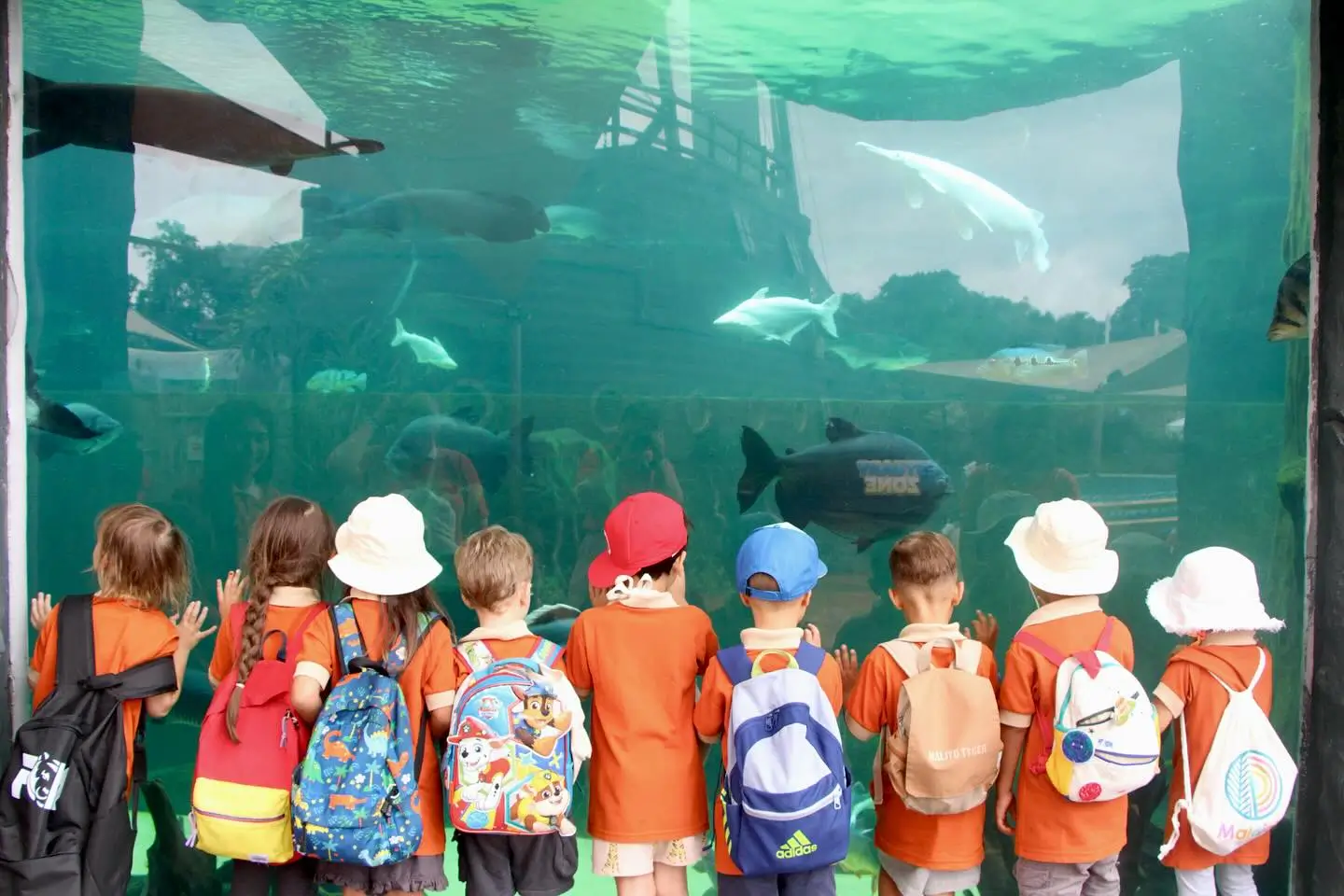
One of the most special parts of early childhood isn’t found in structured lessons or planned outcomes.
It’s found in the quiet, everyday moments — a shared laugh, a game played side by side, a small hand reaching out to another.
At Malajah Playschool in Canggu, we see every day how powerful early friendships can be, and how much they shape a child’s experience of early learning.
Why Early Friendships Matter
In a playschool environment, friendships often begin in the simplest ways.
Sitting next to each other during an activity.
Playing alongside one another in the sandpit.
Joining in the same game without needing words.
These early connections may seem small, but they play a big role in a child’s development.
Through friendships, children begin to learn how to:
- Share and take turns
- Communicate their needs and feelings
- Understand others’ emotions
- Build trust and confidence
These are the foundations of social and emotional development — and they begin long before formal schooling.
Learning Through Connection
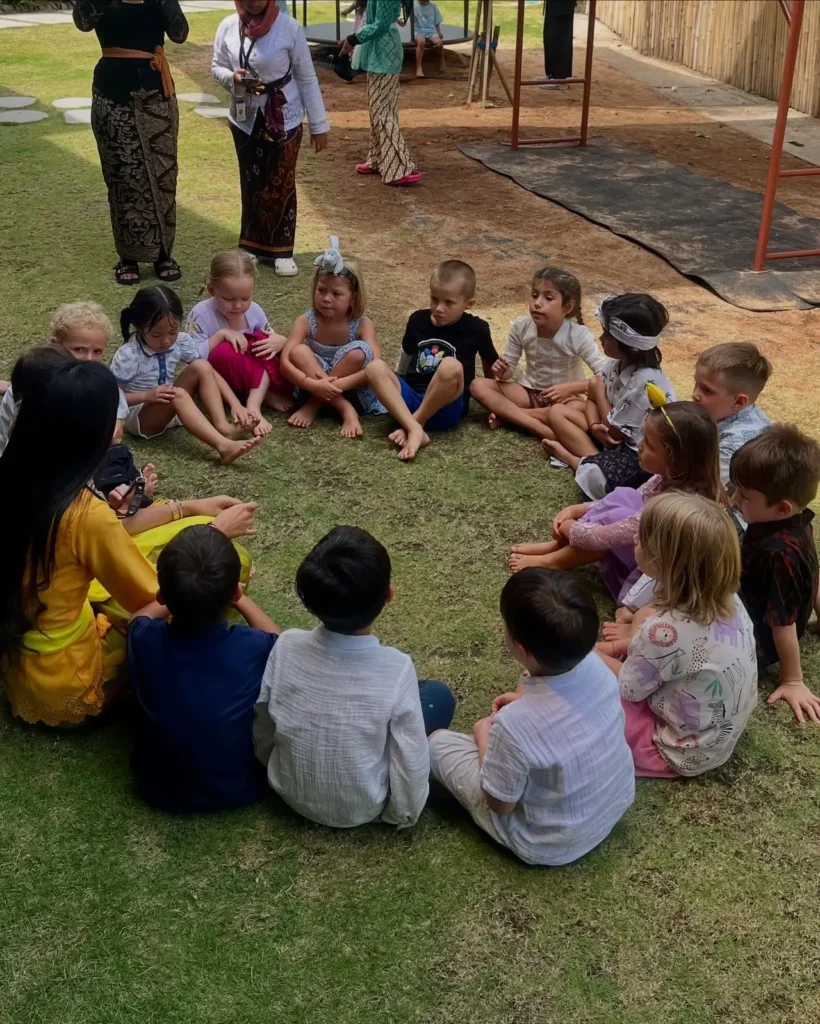
At Malajah Playschool, we believe that early learning happens most naturally through connection.
Children don’t need to be told how to make friends — they need the right environment to allow it to happen.
That’s why our approach focuses on creating spaces where children feel safe, relaxed, and open to engaging with others.
In our playschool in Canggu, you’ll often see children:
- Working together on a simple activity
- Watching and learning from one another
- Gradually joining in group play at their own pace
There is no pressure to interact in a certain way.
Friendships are allowed to form gently and naturally.
Encouraging Social Confidence
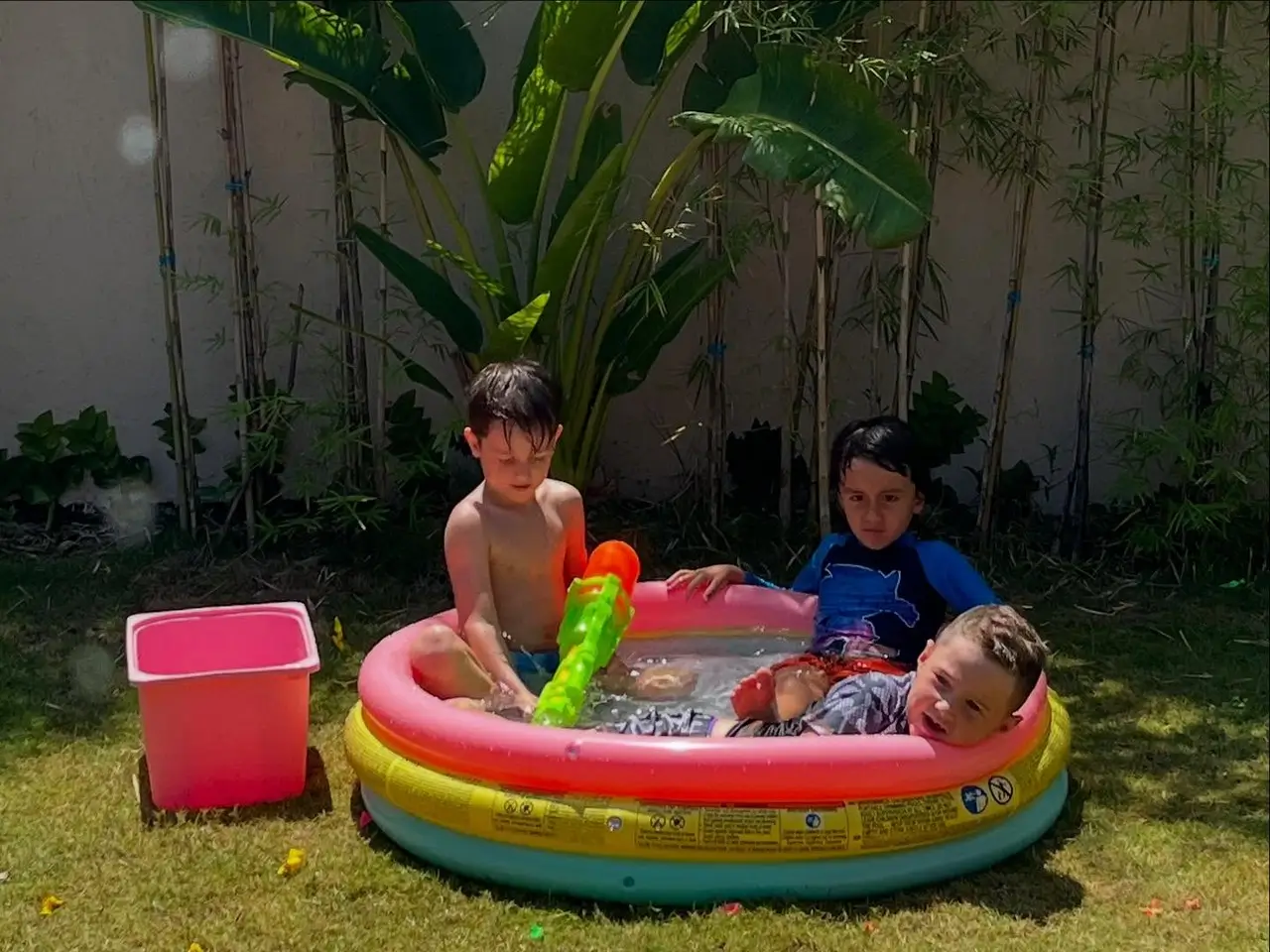
Every child approaches friendships differently.
Some children jump straight into group play, while others prefer to observe before joining in.
At Malajah Playschool, we respect both.
Our role is to gently guide and support, helping children feel confident enough to take small steps towards connection.
This might look like:
- Inviting a child to join a shared activity
- Supporting turn-taking during play
- Helping children express themselves when words are still developing
Over time, these small moments build into something bigger — a growing sense of confidence in social situations.
A Community Within the Classroom
Being part of a playschool community gives children a sense of belonging.
At Malajah Playschool in Canggu, friendships are not just encouraged — they are part of the daily rhythm.
Children begin to recognise familiar faces, develop bonds, and look forward to seeing their friends each day.
These early relationships create a feeling of comfort and security, which supports all areas of learning.
When a child feels safe and connected, they are far more open to exploring, trying new things, and engaging with their environment.
More Than Just Play
While it may look like simple play on the surface, these interactions are building essential life skills.
Friendships in early learning settings like Malajah Playschool help children develop:
- Empathy
- Cooperation
- Problem-solving
- Emotional awareness
These are skills that will carry through into primary school and beyond.
The Beginning of Something Bigger
For many children, playschool is their first experience of being part of a group outside the family.
It’s where they begin to understand relationships, navigate social dynamics, and form their first friendships.
At Malajah Playschool in Canggu, we value these early connections deeply.
Because while children may not remember every activity they take part in, they will remember how they felt — welcomed, included, and part of something.
A Gentle Start to Lifelong Friendships
Early friendships don’t need to be loud or obvious to be meaningful.
Sometimes they are found in quiet companionship, shared curiosity, and the simple comfort of being together.
At Malajah Playschool, these moments are part of everyday life — and they form the foundation for confident, connected learners.